
Digital Slip: Engineering the Future of Slip Casting
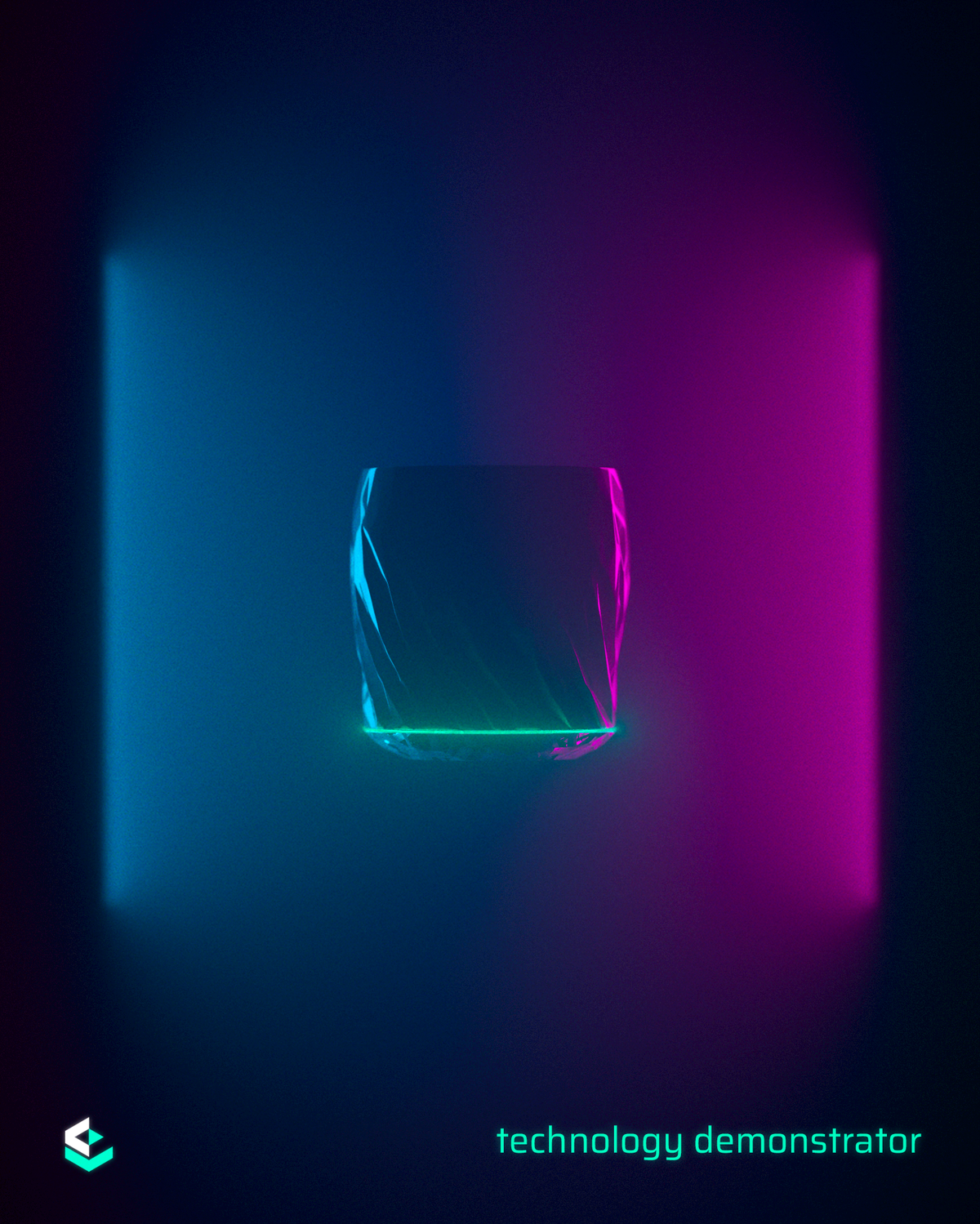
In the world of ceramic art, innovation is continually reshaping traditional practices. One such innovation is the use of 3D printing in slip casting applications. This technology is revolutionizing how pottery molds are created, making the process more efficient and accessible. In this article, we will explore how 3D printing is being integrated into slip casting applications in ceramics and why it is a game-changer for artists and manufacturers alike.
Understanding Slip Casting
What Is Slip Casting?
Slip casting is a popular technique in ceramic art where liquid clay, known as slip, is poured into a plaster mold. The plaster absorbs water from the slip, forming a solid layer of clay on the mold's surface. Once the desired thickness is achieved, the remaining liquid slip is poured out, leaving a hollow ceramic piece that can be further refined and fired.
Traditional Molding Techniques
Traditionally, creating plaster molds for slip casting is a labor-intensive process that requires skill and precision. Artists must carve the original model, create a mold from it, and ensure that every detail is captured. This can be time-consuming and expensive, particularly for complex designs.
The Role of 3D Printing in Ceramics
How 3D Printing Works
3D printing, or additive manufacturing, involves creating a three-dimensional object layer by layer using a digital model. This technology allows for precise and intricate designs that would be difficult to achieve using traditional methods.
Benefits of 3D Printing for Slipcasting Molds
- Precision and Detail: 3D printing can produce highly detailed and accurate molds, capturing intricate designs that may be challenging with traditional methods.
- Speed and Efficiency: The process is faster than traditional mold-making, reducing the time from concept to final product.
- Cost-Effective: While the initial investment in a 3D printer can be significant, the long-term savings in time and materials make it a cost-effective solution.
Applications of 3D Printing in Slip Casting
Creating Complex Molds
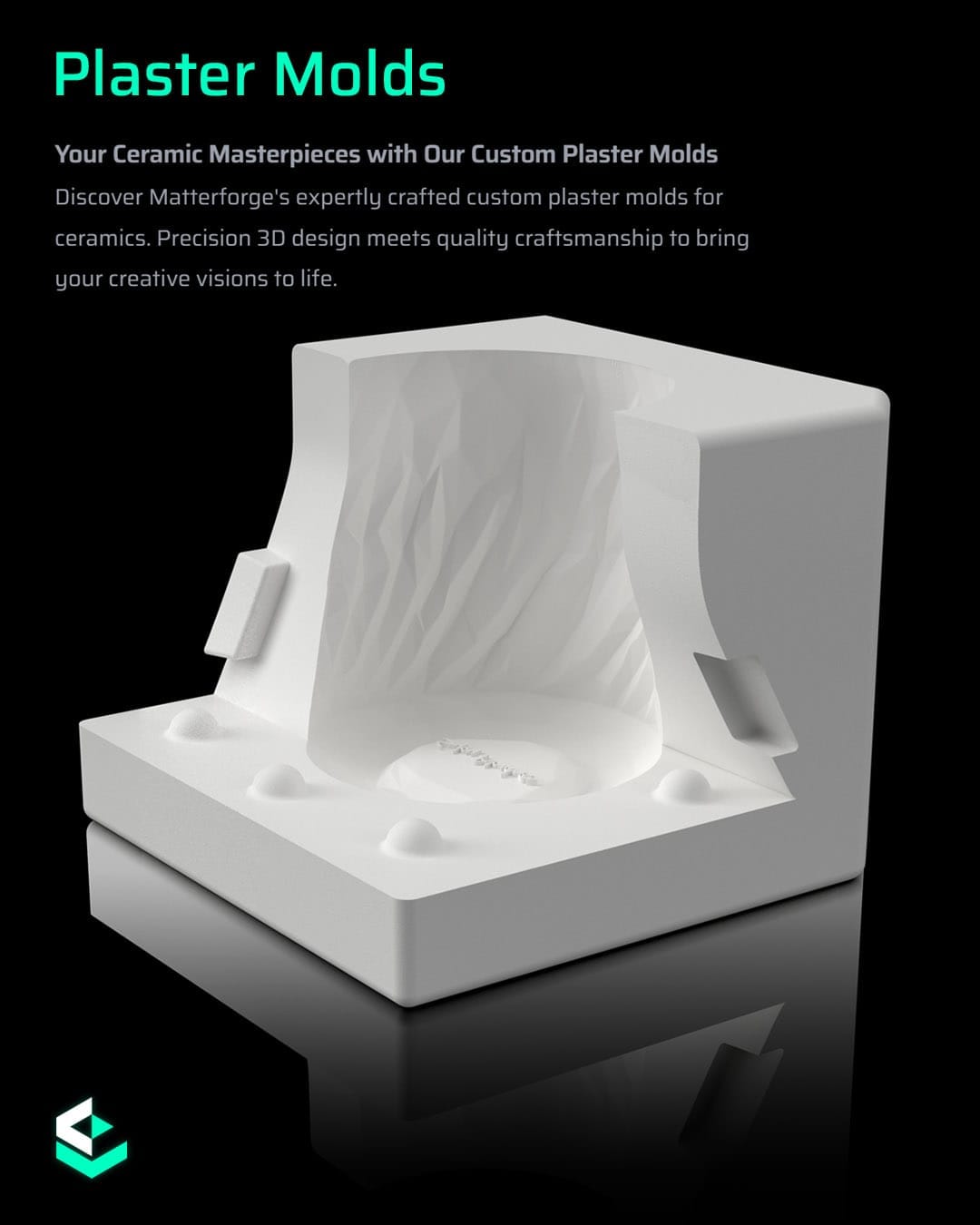
One of the most significant advantages of 3D printing in slip casting is the ability to create complex molds. Artists can design intricate patterns and textures that would be nearly impossible to carve by hand. This opens up new possibilities for creative expression and innovation in ceramic art.
Prototyping and Iteration
3D printing allows for rapid prototyping, enabling artists to experiment with different designs and make adjustments quickly. This iterative process can lead to more refined and successful final products.
Customization and Personalization
With 3D printing, artists can easily customize and personalize their molds. This is particularly beneficial for small-scale producers or those creating bespoke pieces. Each mold can be tailored to specific requirements without the need for extensive retooling.
Case Studies
Innovative Ceramic Artists
Several ceramic artists have embraced 3D printing for slip casting applications. For instance, many artists use 3D printing to create intricate geometric patterns in his pottery. By combining traditional slip casting techniques with modern technology, he has developed a unique style that sets his work apart.
Industrial Applications
In addition to individual artists, industries are also leveraging 3D printing for slip casting. Manufacturers can produce large quantities of consistent, high-quality molds efficiently. This is particularly useful in the production of ceramic components for industrial applications, such as electrical insulators and biomedical devices.
Challenges and Considerations
Learning Curve
While 3D printing offers numerous advantages, there is a learning curve associated with it. Artists need to become familiar with 3D modeling software and the operation of 3D printers. However, many resources and tutorials are available to help beginners get started.
Material Limitations
Since 3D printing plaster directly is still experimental, an intermediary silicone mold creation step is often necessary. The advantage of this step is that multiple plaster molds can be cast from a single silicone mold, making it suitable for larger production runs. Additionally, it's possible to design the mold to print the inverse of the final plaster mold, which can then be used to cast the plaster.
Cost and Accessibility
3D printers have become incredibly affordable and user-friendly, making them accessible to almost everyone. Access to quality equipment is no longer a barrier. The biggest challenge now is the technical skill required for digital mold-making.
Future of 3D Printing in Ceramics
Technological Advancements
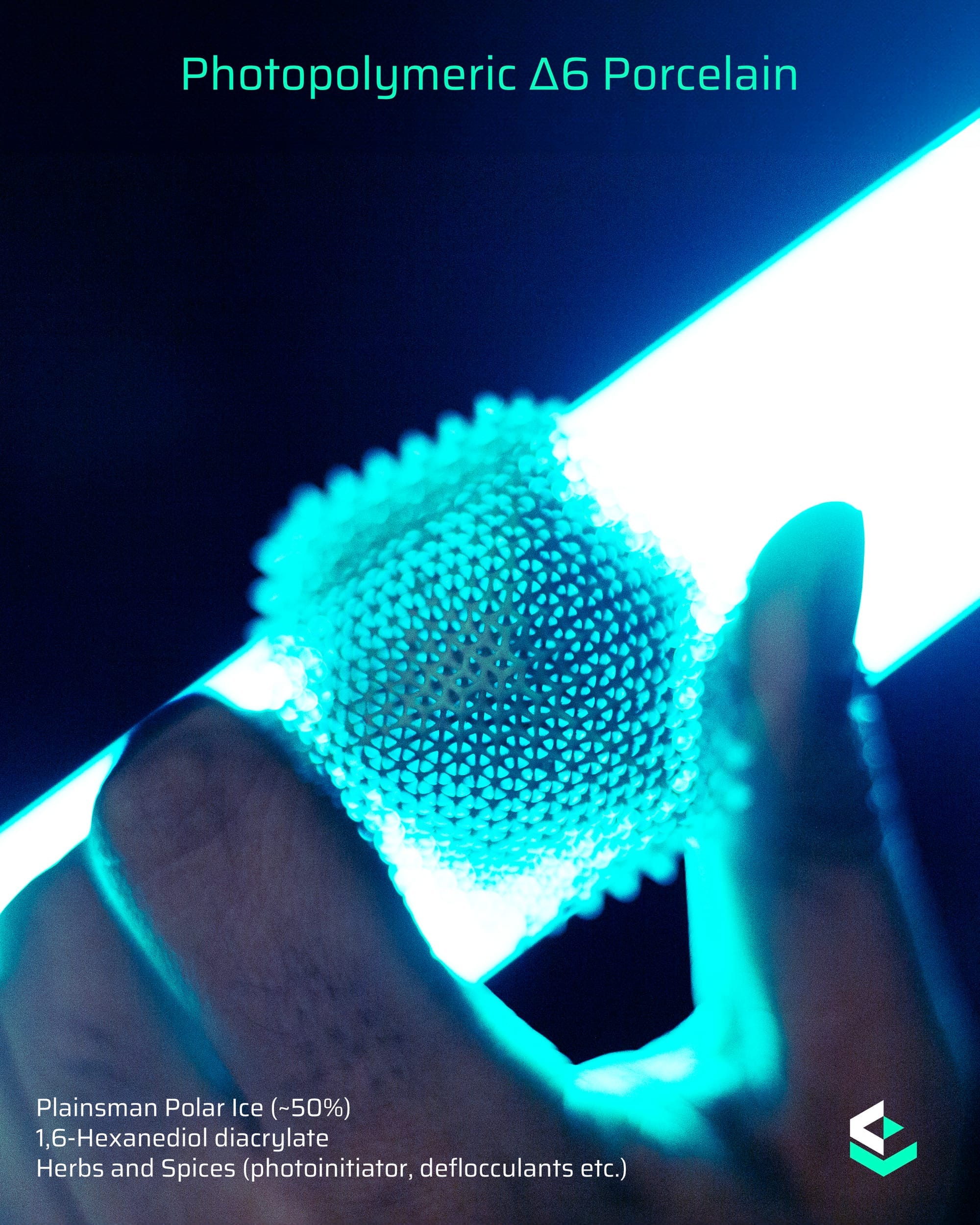
As 3D printing technology continues to evolve, we can expect even greater precision, speed, and material options. Innovations such as multi-material printing and improved resolution will further enhance the capabilities of 3D printing in ceramics.
Integration with Other Technologies
The integration of 3D printing with other technologies, such as artificial intelligence and robotics, holds exciting potential for the future of ceramic art. These advancements could lead to fully automated production processes, allowing artists to focus on creativity and design.
Conclusion
The integration of 3D printing into slip casting applications in ceramics is transforming the way artists and manufacturers create pottery molds. This technology offers numerous benefits, including precision, efficiency, and customization, making it a valuable tool for both individual artists and industrial producers. While there are challenges to overcome, the future of 3D printing in ceramics looks promising, with ongoing advancements set to further revolutionize the field.
By embracing 3D printing, ceramic artists can push the boundaries of their craft, explore new creative possibilities, and achieve results that were once thought impossible. Whether you are an experienced ceramic artist or just starting, considering the potential of 3D printing for slip casting applications can open up a world of opportunities in your work.